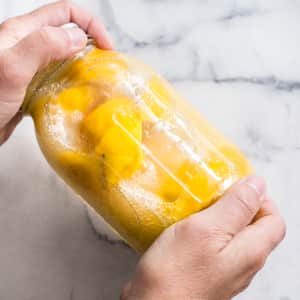
Elevate Dishes Overnight: Unlock the Magic of Quick Preserved Lemons
Imagine infusing your everyday meals with a burst of bright, salty, and exquisitely tangy flavor – the kind that transports you to sun-drenched Mediterranean coasts or vibrant North African markets. For generations, preserved lemons have been a culinary secret weapon, a humble ingredient with the power to transform the simplest dishes into something extraordinary. Traditionally, this alchemical process involved weeks, sometimes even months, of patient waiting. But what if you could harness that same captivating essence in a fraction of the time? Enter the world of quick preserved lemons.
No longer reserved for advanced cooks or those with endless patience, these speedy versions capture the complex, aromatic profile of their slow-fermented cousins, allowing you to elevate your culinary creations overnight, or at least within a few days. This article will guide you through several ingenious methods for making quick preserved lemons, share expert tips, and unveil a treasure trove of ways to incorporate this potent ingredient into your cooking, proving that depth of flavor doesn't always require a long wait.
Why Quick Preserved Lemons Are Your New Secret Weapon
The allure of preserved lemons lies in their unique flavor transformation. The salt and sometimes sugar mellow the intense tartness of fresh lemons, tenderize the rind, and concentrate their aromatic oils. What you get is a versatile ingredient that offers a savory, umami-rich citrus punch, completely different from fresh lemon juice or zest. They add a layer of complexity and a beautiful briny tang without the harsh acidity. Perfect for those who crave bold flavors but are short on time, learning how to make quick preserved lemons means you're just a few steps away from a gourmet touch.
These speedier methods provide immediate gratification without sacrificing the essence of what makes preserved lemons so beloved. Whether you're aiming for a Moroccan tagine, a vibrant vinaigrette, or simply a novel way to brighten roasted vegetables, quick preserved lemons are an indispensable addition to your pantry.
Mastering Quick Preserved Lemon Methods
While the traditional approach relies on time, quick methods accelerate the process through heat, aggressive packing, or thin slicing combined with salt and sugar. Here are three popular approaches to get you started:
1. The Speedy Stovetop Method: Tender & Translucent in Minutes
Inspired by age-old techniques but supercharged for modern kitchens, this method offers incredibly tender preserved lemons almost immediately, ready for use once cooled. It's fantastic for achieving that soft, translucent rind quickly.
- Ingredients:
- 1 cup water
- 2 tablespoons kosher salt
- 2 lemons, washed and quartered
- Equipment: Small saucepan
- Directions:
- Combine water and kosher salt in the saucepan. Bring to a boil over medium-high heat, stirring until the salt fully dissolves.
- Add the quartered lemons to the boiling brine, ensuring they are submerged.
- Reduce heat to medium and simmer for 30 minutes. Keep an eye on the liquid; it should reduce to about 1/2 cup, and the lemon rinds should become tender and translucent. Adjust heat as needed to prevent scorching.
- Remove from heat and let the lemons cool completely in the cooking liquid to room temperature. This crucial cooling period allows them to absorb more of the salty brine and further soften.
Pro Tip: The heat helps break down the lemon's cell walls rapidly, allowing the salt to penetrate and tenderize the rind much faster than cold brining. Once cooled, transfer your Sicilian Sunshine Fast: Quick Preserved Lemons to a clean jar and refrigerate.
2. Alton Brown's Pressed Jar Method: Salty, Tart, and Sweet in Days
Alton Brown’s ingenious method relies on pressure and time (a few days, not weeks) to create beautifully preserved lemons with a distinct salty, tart, and often subtly sweet character, perfect for North African and Indian cuisine.
- Ingredients:
- Lemons (enough to fill a 16-ounce canning jar)
- Kosher salt
- Extra lemon juice (if needed)
- Equipment: Wide-mouthed, 16-ounce canning jar
- Directions:
- Wash lemons thoroughly. Trim off both ends. Slice each lemon into 8 wedges, removing any seeds as you go. Reserve any juice that collects on your cutting board.
- Layer the lemon wedges tightly in the canning jar, sprinkling each layer generously with salt. As you add layers, press down firmly to release the lemons' natural juices. Leave about 1/4 inch of headspace at the top.
- Pour the reserved lemon juice over the wedges. If there isn't enough liquid to cover the lemons, top off the jar with fresh lemon juice from another lemon.
- Seal the jar and refrigerate for 4 days. After 4 days, flip the jar over and age for another 4 days.
- Before using, the peel should be soft and pliable. Always rinse the preserved lemons under cold water to remove excess salt.
Insight: The combination of salt and pressure quickly draws out moisture and allows the lemons to cure in their own concentrated brine. The flipping ensures even distribution of the brine and flavor development.
3. The Overnight Thin-Slice Method: Ready for Action Tomorrow
For truly
- Ingredients:
- 3 Meyer lemons (about 8 ounces), plus 3 tablespoons fresh lemon juice (regular lemons can be used, but Meyer lemons yield the best result due to their thin skin and sweetness)
- 1 tablespoon kosher salt
- 3 tablespoons sugar
- Directions:
- Wash lemons in hot water to remove any waxy coating. Halve them lengthwise, then slice them very thinly crosswise. The thinner the slices, the faster they will "preserve."
- In a bowl, combine the thinly sliced lemons, kosher salt, sugar, and fresh lemon juice. Stir well to ensure everything is evenly coated.
- Cover the bowl tightly with plastic wrap and let it stand at room temperature for 1 day (about 12-24 hours).
- After one day, transfer the mixture to a clean jar and store in the refrigerator for up to 2 weeks.
- Variations: For a spiced version, add 1/4 teaspoon turmeric and 1/2 teaspoon red-pepper flakes to the mixture.
Note: The sugar in this method helps to balance the salt and acidity, creating a uniquely bright and tangy-sweet profile that's exceptional in dressings and marinades.
Using Your Quick Preserved Lemons: Culinary Inspirations
Once you have a batch of these golden gems, the culinary possibilities are endless. Remember to always rinse your quick preserved lemons before using them to moderate their saltiness, especially the rind, which is the most flavorful part. You'll typically use the peel (minced, sliced, or finely chopped), but the pulp can also be incorporated for a more intense citrus burst.
- Enhance Roasted Dishes: Finely chop the preserved lemon rind and add to marinades for roasted chicken, fish, or lamb. Stuff a whole lemon half into the cavity of a chicken before roasting.
- Vinaigrettes & Dressings: Mince the rind and whisk into your favorite vinaigrette for salads, especially those with hearty greens or grains.
- Grains & Pasta: Stir chopped preserved lemon into couscous, quinoa, or rice pilafs for an instant flavor boost. Toss with pasta, olive oil, garlic, and fresh herbs for a simple yet elegant meal.
- Tagines & Stews: An essential ingredient in North African stews, preserved lemons add authentic depth. Add a quartered or chopped piece during the last 30 minutes of cooking.
- Dips & Spreads: Blend a small amount into hummus, baba ghanoush, or a creamy yogurt dip for an unexpected zest.
- Seafood: Chopped preserved lemon pairs wonderfully with grilled or baked fish, shrimp, or scallops.
- Cocktails: A thin sliver of preserved lemon can be a sophisticated garnish for martinis or gin and tonics, adding a briny, aromatic twist.
Tips for Success and Storage
- Choose Your Lemons Wisely: While any lemon can be preserved, organic, thin-skinned lemons (like Meyer lemons for the slicing method) are ideal. Their rinds are less bitter and more aromatic.
- Salt Matters: Always use non-iodized salt, such as kosher salt or sea salt. Iodine can impart an off-flavor and color.
- Sterilize Jars: For any method involving refrigeration, ensure your jars are thoroughly clean and sterilized to prevent spoilage and extend shelf life.
- Rinse Before Use: This is crucial! Preserved lemons are quite salty. A quick rinse under cold water will remove excess salt from the surface without diluting the flavor.
- Storage: Once made, quick preserved lemons should be stored in an airtight container or jar in the refrigerator. The stovetop and Alton Brown's methods typically last several weeks to a few months, while the overnight thin-slice method is best consumed within 2 weeks. Always ensure the lemons are submerged in their liquid.
- Experiment: Don't be afraid to play with spices! Bay leaves, peppercorns, coriander seeds, or even a cinnamon stick can add another layer of flavor to your preserving brine.
Conclusion
The journey from fresh, vibrant lemons to complex, flavor-packed quick preserved lemons is a testament to the magic of simple ingredients and clever techniques. By embracing these fast-track methods, you're not just saving time; you're opening up a world of culinary possibilities, ready to infuse your dishes with an unmatched depth of savory citrus. So go ahead, grab some lemons, a pinch of salt, and prepare to elevate your cooking overnight. Your taste buds, and your guests, will thank you.
